Data & Diagnostics

What evidence underpins your approach to culture?

Understanding your organization, employee population and culture is an essential first step in building an effective strategy or roadmap for change.

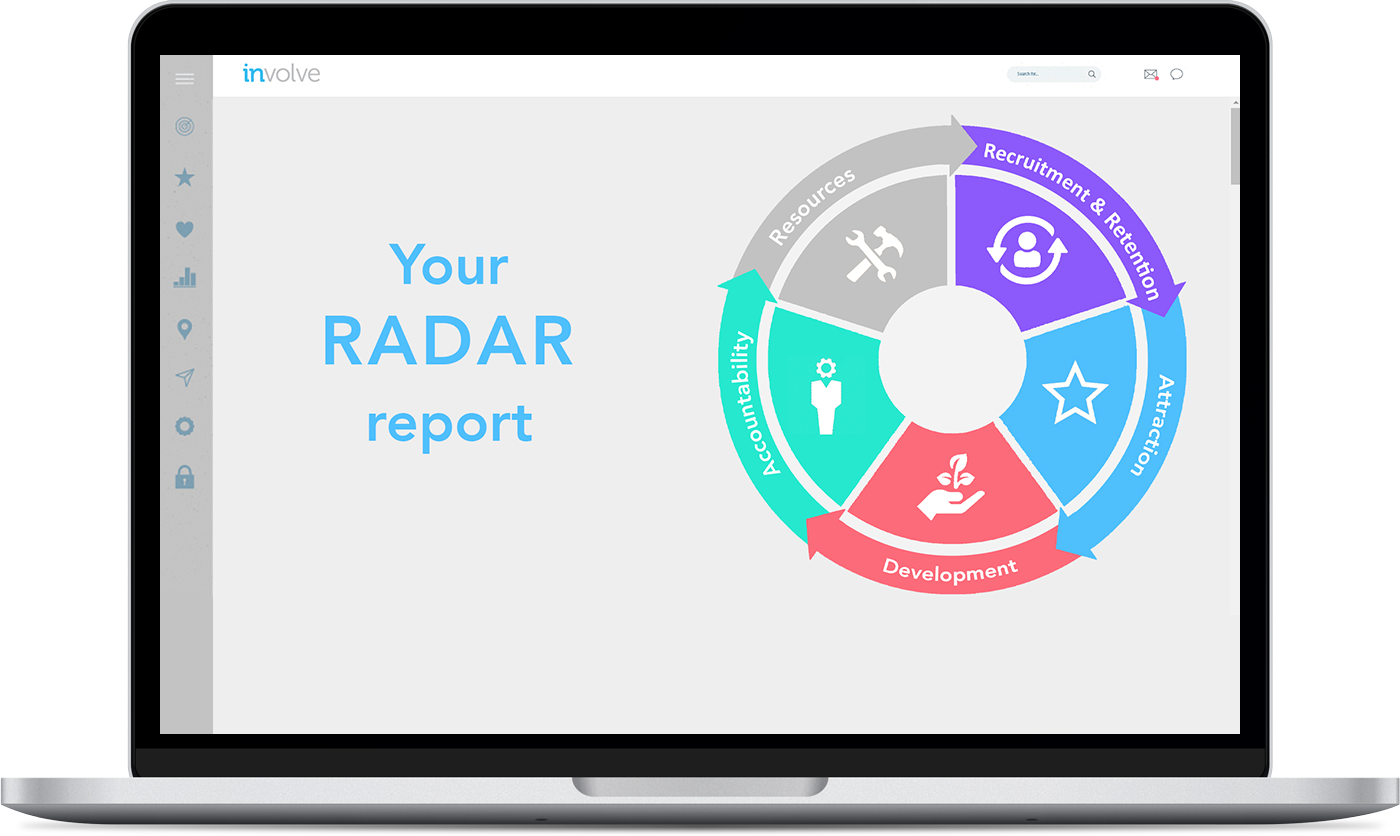
When it comes to inclusion, there is no one-size-fits-all. This is why our approach is always tailored to the needs of an individual organization and their areas of focus when it comes to both strategic business and culture objectives. Our RADAR diagnostic tools can be used across multiple diversity strands or used to deep-dive into specific areas of concern or gaps in understanding and knowledge – especially when it comes to the lived experiences of different groups within the organization.

Our reports include findings and business-critical recommendations based on the current stage of your inclusion journey. The report will be mindful of practical application within your particular organization and the opportunities that exist to adapt, innovate, and supercharge the work already being undertaken to maximize effectiveness and measurable outcomes.

The recommendations are practical to implement and easy to measure.

The diagnostic tools within RADAR leverage both quantitative and qualitative data to paint a full picture of how your organization can drive cultural success. While each tool can be implemented separately, we recommend a full diagnostic for maximum impact.

HR Review

Inclusive HR policies, processes, and data collection practices are the foundation of an effective culture and wellbeing strategy. They actively demonstrate your commitment to all employees and ensure that your organization is set up to support a more diverse workforce and capitalize on the commercial benefits that increasing diversity of thought brings.

Our HR Review takes a broad look at how inclusion functions strategically within the organization and the opportunities that exist for your organization to expand the effectiveness of interventions

Example findings from an HR review may include:

  • How effectively the organization leverages data to build interventions and strategy
  • What resources supporting desired culture and behaviors exist for employees, and how to increase levels of engagement
  • The accountability infrastructure and how objectives are set to support inclusive cultures
  • Opportunities for innovation, including collaborations with partners and other companies
  • Ways to strengthen ERG engagement and integrate their input meaningfully into strategy creation

Quantitative Data Analysis

We can collect quantitative data from your employees to understand key issues that are affecting different groups and creating barriers to retention and progression within the organization. This data looks across the full spectrum of demographics and isolates trends across departments, job levels, and regions that may be impacting or undercutting a move towards a more inclusive internal culture.

For organizations that have already collected employee and engagement data, we can bring our knowledge and analytical expertise to extract key findings and place them within a wider context of driving cultural change.

In both cases, our analysis includes actionable insights and recommendations based on best practice.

Example findings from quantitative data collection and analysis may include:

  • Regional variations in company culture affecting the effectiveness of initiatives
  • Company policies and practices that may affect different employee groups in different ways
  • Differences in sentiment between different groups of employees, such as shop floor and head office
  • Specific barriers to career progression for different groups within the company
  • Bias or perceived discrimination within management decision-making

Qualitative Data Analysis

We facilitate qualitative data collection from specific populations to further understand employees’ lived experiences of inclusion within your organization. Our focus groups provide an open and secure space for employees to give their true opinions of company culture, with insight as to how specific efforts and initiatives are succeeding or failing to make an impact.

Focus groups can be conducted in person or virtually and can be focused on specific populations by demographics, department, region, role, or any other criteria, depending on the scope and objectives.

Our findings report will bring together key themes alongside actionable recommendations based on best practice for addressing issues raised.

Example findings from qualitative data collection and analysis may include:

  • Behaviors from managers that do not align with ambitions on culture
  • Gaps in communication preventing engagement with resources and initiatives
  • Difficulties diverse employees find in accessing specific support
  • Perceptions of current strategies and interventions, and how impactful they are
  • Variations in employee experiences of culture across different groups or region

WHY PARTNER WITH INVOLVE?

If your organization is new to collecting and using employee data, then we can guide you through the process to ensure you have the insight needed to formulate an effective strategy for cultural transformation, track progress, and create impact.

If you are already collecting data, we can be a trusted partner to expand your ambition, overcome challenges, and turn data sets into actionable insights based on best practice.

Using our diagnostic tools, we have supported a wide range of global organizations with offices across multiple regions to make data collection a core part of their strategy and objective-setting activity.

If you would like to know how we can apply our diagnostic tools to support your organization, please get in touch.